 MemeWingman
Memes from China, Japan, Korea and the US, explained
Each page says what a meme means, where it comes from, how a friend from another culture will read it, and what to send back. Got one that isn’t here? MemeWingman can explain any meme you add to a chat.
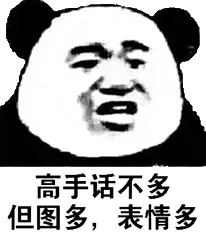
Panda Head 熊猫头
熊猫头 (Panda Head) is the classic Chinese reaction sticker: a panda whose face is a pasted-on, exaggerated human expression, with a caption that carries the joke. People send it instead of words, to tease, to complain or to admit defeat, always half-joking.
Known in mainland China, Taiwan and Hong Kong
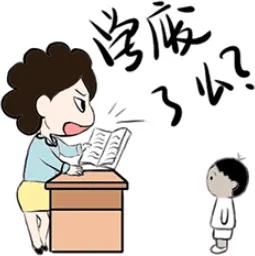
Have You Learned (Wrong)? 学废了吗
学废了吗 (xué fèi le ma) is “did you learn it?” with 会 (learned) swapped for 废 (ruined), so it asks “did you learn to mess it up?”. It’s for things that looked easy in the tutorial and went wrong, and for teasing anyone who says they’ve got it.
Known in mainland China, Taiwan and Hong Kong
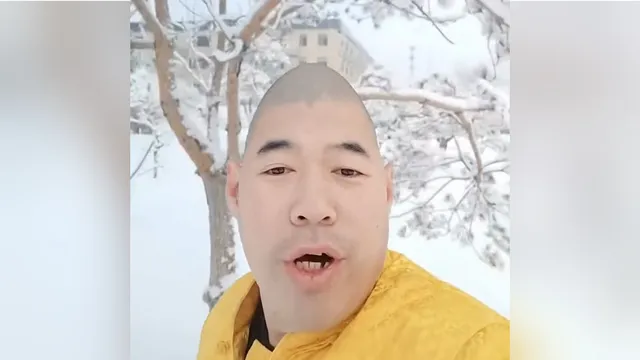
Xue Hua Piao Piao 雪花飘飘
雪花飘飘,北风萧萧 (“snowflakes drifting, north wind howling”) is a line from an old Chinese ballad that people quote, sing or post when something is hopeless: a failed exam, a lost game, a plan in ruins. It’s mock tragedy, dramatic on purpose.
Known in mainland China, the US, Taiwan and Hong Kong

Doge
Doge is a photo of Kabosu, a Shiba Inu glancing sideways, usually with an inner monologue in broken English (“such wow”, “very amaze”). In Chinese chats the dog head, 狗头, has a job of its own: added after a teasing line, it means “just kidding, don’t hit me”.
Known in the US and across East Asia

Gwenchana 괜찮아
괜찮아 (gwaenchana, often written “gwenchana”) is Korean for “it’s okay”, “I’m fine” or, with a rising tone, “are you okay?”. As a meme it’s the brave K-drama smile of someone insisting they’re fine while everything clearly isn’t.
Known in South Korea, the US, Japan, Taiwan and Hong Kong

Surprised Pikachu
Surprised Pikachu is a still of Pikachu with its mouth wide open, used for fake shock at a completely predictable result, usually one you caused yourself. The setup describes a bad decision; the punchline is the face.
Known in the US and across East Asia

Huh? Cat 猫ミーム
The Huh? Cat is a startled white cat, usually with a loud “HUH?”, that people send when something makes no sense: a strange message, a plot twist, a decision nobody understands. It’s confusion, delivered with comic timing.
Known in the US and across East Asia

Bing Chilling 冰淇淋
“Bing chilling” is how English speakers heard 冰淇淋 (bīngqílín), Mandarin for “ice cream”, in a 2021 video of John Cena eating an ice cream cone and speaking Mandarin. It became shorthand for that video and for cheerful, slightly off Mandarin.
Known in the US, mainland China, Taiwan and Hong Kong

This Is Fine
This Is Fine is a cartoon dog calmly sipping coffee while the room burns around him, saying “This is fine.” People send it when everything is falling apart and they’re pretending it isn’t: deadlines, exams, the news.
Known in the US, Japan, South Korea, Taiwan and Hong Kong
67
67, said “six seven”, is a 2025 catchphrase that started with kids in the US: you shout it, often with both palms up moving like a scale, whenever the numbers 6 and 7 come up, or for no reason at all. Its meaning is that it has almost none.
Known in the US, mainland China, Taiwan, Hong Kong and South Korea
Got a meme you don’t get?
Paste it or add a screenshot. You’ll get what it means, and something to send back.
The iPhone app is on the App Store and the Android app is on Google Play, both in the US, Japan, South Korea, Taiwan and Hong Kong. Anywhere else, you can use MemeWingman in your browser.