Your friend in Shanghai just sent a panda with a human face. Now what?
MemeWingman is an AI meme translator for chats across cultures. Paste what they said, or add the meme or a screenshot: it explains the joke, tells you whether they’re teasing or annoyed, and picks memes to send back that they’ll actually get.
Works in your browser with a Google account, or get the app on iPhone and Android.
You: Mei from Shanghai sent 学废了吗 😏 when I burned the dumplings. What do I send back?

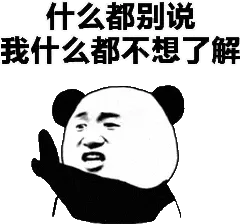
Playful teasing, not mad. 学废了吗 is “did you learn it?” with 会 (learned) swapped for 废 (wrecked). Hit back with one of these:
 Best match
 Funnier
 Local flavor
Try it on a line you don’t get
No sign-in needed. Paste what a friend sent, or add a meme or screenshot, and see what MemeWingman makes of it.
The tone, what it means and what you could send back will show up here.
Reading it…
AI can misread a joke, so trust what you know about your friend.
What it means
What you could send back
This connection’s try for today is used up.
In the app, you also get memes to send back, picked for each friend.
Or use it in your browserHow it works
Paste what they sent
Paste a message, type the slang you don’t get, or add a screenshot or meme from any chat.
Get what it means
Where it comes from, why it’s funny, whether your friend is joking or annoyed, and what to watch out for.
Send a meme back
Choose the best match, a funnier pick or one with local flavor, each with the reason it works, and share it to WhatsApp, LINE, KakaoTalk, iMessage or any other chat app.
Chinese, Japanese, Korean and American memes, explained
MemeWingman knows where a meme comes from, who will recognize it and how it lands, and it can explain any meme you add to a chat. A few it knows well:
Panda Head 熊猫头
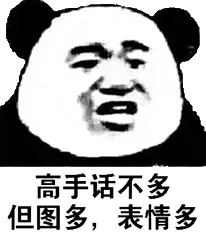
A panda with a human face pasted on: the classic Chinese reaction sticker. The caption carries the joke; this one says “a real pro doesn’t talk much, just sends stickers.”
Known in mainland China, Taiwan and Hong Kong
Have You Learned (Wrong)? 学废了吗
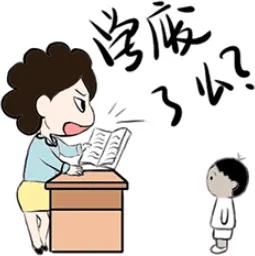
“Did you learn it?” with 会 (learned) swapped for 废 (ruined): it looked easy in the tutorial and went horribly wrong.
Known in mainland China, Taiwan and Hong Kong
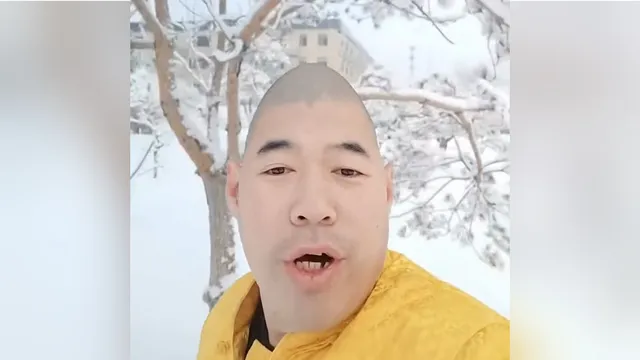
Xue Hua Piao Piao 雪花飘飘
A man spinning in the snow, singing “snowflakes drifting, north wind howling”: a dramatic sign that it’s all over.
Known in mainland China, the US, Taiwan and Hong Kong
Doge 狗头

A side-eyeing Shiba Inu with a goofy inner monologue. In Chinese chats the dog head, 狗头, also means “just kidding, don’t hit me.”
Known in the US and across East Asia
Gwenchana 괜찮아
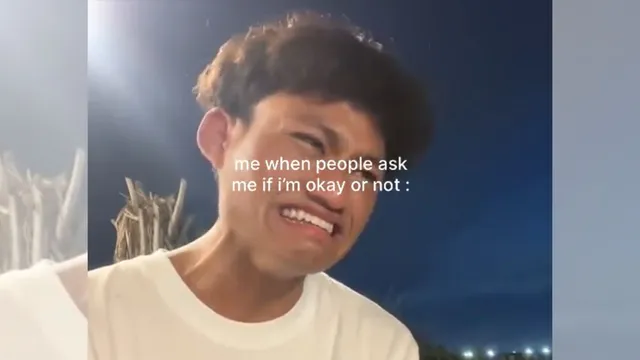
“It’s fine!” or “are you okay?”, said K-drama style, usually while nothing is fine.
Known in South Korea, the US, Japan, Taiwan and Hong Kong
Surprised Pikachu 震惊皮卡丘

Pikachu with its mouth wide open: fake shock at a completely predictable outcome, like the result of your own choices.
Known in the US and across East Asia
Huh? Cat 猫ミーム
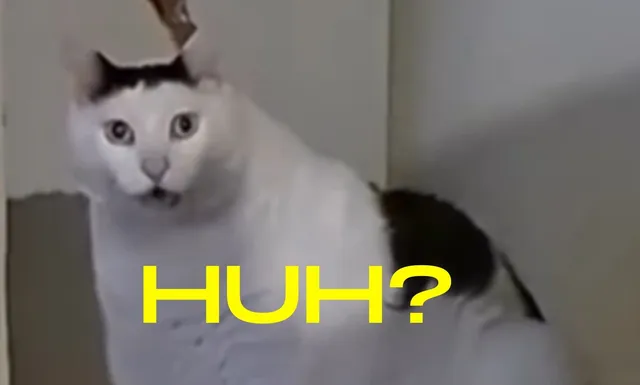
A startled cat going “huh?”, from the wave of cat-meme videos that swept Japan. For when something makes no sense.
Known in the US and across East Asia
Bing Chilling 冰淇淋

John Cena eating ice cream and saying “ice cream” (bīngqílín) in Mandarin. Affectionate, though mock-Mandarin jokes can feel tired to Chinese speakers.
Known in the US, mainland China, Taiwan and Hong Kong
This Is Fine
A dog calmly sipping coffee in a burning room: pretending everything is okay while it falls apart.
Known in the US, Japan, South Korea, Taiwan and Hong Kong
Made for chatting across cultures
Reads the tone first
Joking or annoyed, ironic or sincere: you get a one-line read before any suggestions.
Remembers your friends
Tell it where a friend is from, what they’re into and what landed last time. Its picks get more personal as you go.
Warns you before a meme misfires
Wordplay that won’t land, a dated reference, a nickname that reads badly in another language: you hear about it before you hit send.
Explains in your language
English, 简体中文, 繁體中文, 日本語 or 한국어. Meme names stay in their original language.
Finds memes by mood
Search memes by name, meaning or moment, like “awkward” or “Monday”, and filter them by where they’re known.
Memory you can see and delete
MemeWingman remembers what you tell it about you and your friends, and how memes landed, so its picks get better. See, change or delete any of it in the app, or turn memory off. Chats are kept so replies can use the whole conversation, and you can delete them any time.
Your wingman, in your pocket
Add a screenshot from any chat, get the joke, and share the perfect meme right back, all from your phone.
Both apps are out in the US, Japan, South Korea, Taiwan and Hong Kong. Anywhere else, use MemeWingman in your browser, with nothing to install.
Questions
What is MemeWingman?
An AI meme translator for chats across cultures, mainly between the US and East Asia. When a friend sends something you don’t get, like a panda with a human face from Shanghai or a ㅋㅋㅋ from Seoul, it explains the joke, reads the tone and suggests memes to reply with, tuned to that friend.
Can it explain Chinese, Japanese and Korean memes?
Yes, that’s what it’s for: memes, stickers and internet slang from Chinese, Japanese, Korean and American internet culture, including wordplay that gets lost in translation. It can explain any meme you add to a chat, not only the ones in its library.
Which chat apps does it work with?
All of them. You share the meme you pick with your phone’s share sheet, or save it on a computer, so it works with WhatsApp, LINE, KakaoTalk, iMessage, Messenger, Instagram, Telegram, Discord and the rest.
Which languages does it explain in?
English, Simplified Chinese, Traditional Chinese, Japanese and Korean. Meme names stay in their original language, with a translation when it helps. The app’s own screens use the same five languages, starting with your device’s; change it in Me → Language.
Is there an iPhone or Android app?
The iPhone app is on the App Store and the Android app is on Google Play, both in the US, Japan, South Korea, Taiwan and Hong Kong. Anywhere else, you can use MemeWingman in your browser.
Do I need an account?
To use MemeWingman, yes: sign in with Google, or with Apple on iPhone. Each account keeps its own friends, saved memes and chats. Only the try box on this page works without one.
What happens to my chats and what MemeWingman remembers?
Saved memes are stored on your device, and MemeWingman doesn’t sync them to its servers. What MemeWingman remembers about you and your friends, and which memes you sent to whom, is kept on our server with your account, so it works on every device; see, change or delete it in Me → Memory, or turn memory off. Chats are kept on your device and on our server, so replies can use the whole conversation; delete a chat in the app and the server’s copy is deleted too. Messages and pictures you send in a chat go to the AI model so it can answer you.
Got a meme you don’t get?
Paste it or add a screenshot. You’ll get what it means, and something to send back.