 MemeWingman
Doge
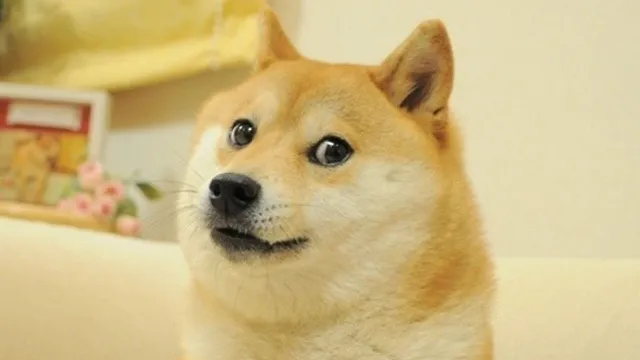
Doge is a photo of Kabosu, a Shiba Inu glancing sideways, usually with an inner monologue in broken English (“such wow”, “very amaze”). In Chinese chats the dog head, 狗头, has a job of its own: added after a teasing line, it means “just kidding, don’t hit me”.
Known in the US and across East Asia
What it means
In English the classic Doge is goofy wonder: short, ungrammatical phrases scattered around the dog, “much wow”, “so scare”. Today it reads as affectionate, slightly retro internet humour.
In Chinese chats, a doge face (often the [狗头] emoji) at the end of a message works like “/s” or “jk”: it marks a roast as friendly. People even say 狗头保命, “the dog head saves my life”, when they add it to a cheeky comment.
Where it comes from
Kabosu was a Shiba Inu in Japan whose owner posted photos of her on a blog in 2010. The side-eye shot became the Doge meme around 2013, inspired Dogecoin that year, and has been everywhere since. Kabosu died in 2024, and fans around the world marked it.
How friends from other cultures read it
Everyone knows the dog, but not everyone knows the Chinese use. A friend from the US may see a doge after your joke as a random throwback, while a Chinese friend reads it as a wink that softens the jab.
In Japan, Kabosu (かぼすちゃん) is famous in her own right, and in Korea the dog is best known through Dogecoin. When you tease across cultures, a doge plus a few words like “jk” keeps the tone clear.
How to reply
If a doge follows a jab at you, it’s friendly: laugh, tease back and add a doge of your own. For the English-style doge, answer in kind: “such reply, very wow”.