 MemeWingman
Gwenchana 괜찮아
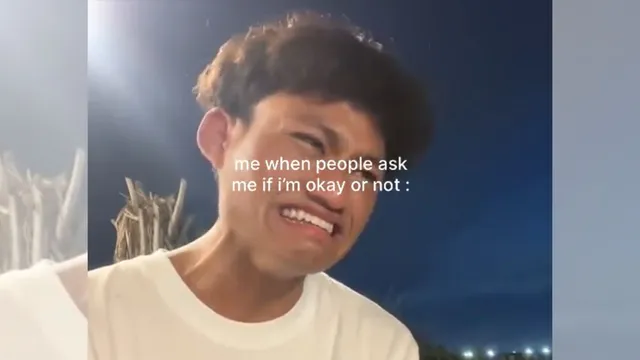
괜찮아 (gwaenchana, often written “gwenchana”) is Korean for “it’s okay”, “I’m fine” or, with a rising tone, “are you okay?”. As a meme it’s the brave K-drama smile of someone insisting they’re fine while everything clearly isn’t.
Known in South Korea, the US, Japan, Taiwan and Hong Kong
What it means
The word does a lot of work: comforting someone (“it’s okay”), declining (“I’m good”), answering (“I’m fine”) and asking (“you okay?”). The meme lives in the gap between the word and the face: a smile that says fine, eyes that say help.
괜찮아 is casual, for friends and people younger than you; 괜찮아요 is the polite form. Fans mix both freely online, but in a real chat with a Korean friend, the casual form between friends sounds natural.
Where it comes from
It’s one of the first words K-drama fans pick up, because characters say it constantly, often while crying. Clips and fan edits turned it into a running joke on the international internet, captioned in English for everyone who knows exactly one Korean word for “fine”.
How friends from other cultures read it
Many people outside Korea know the word from dramas, so it travels well, including to Japan, where ケンチャナ is a familiar loanword, and to Taiwan and Hong Kong. Chinese has its own version of the same lie: 没事 (“it’s nothing”), which rarely means nothing.
To a Korean friend, a foreigner sending “gwenchana?” is usually endearing. If they answer 괜찮아 with a crying face, take it as an invitation to check in, not as the end of the conversation.
How to reply
Answer the smile, not the word: “really?” (진짜 괜찮아?), a hug, or a meme that admits the chaos, like This is fine. If they’re joking, joke back with a brave smile of your own.